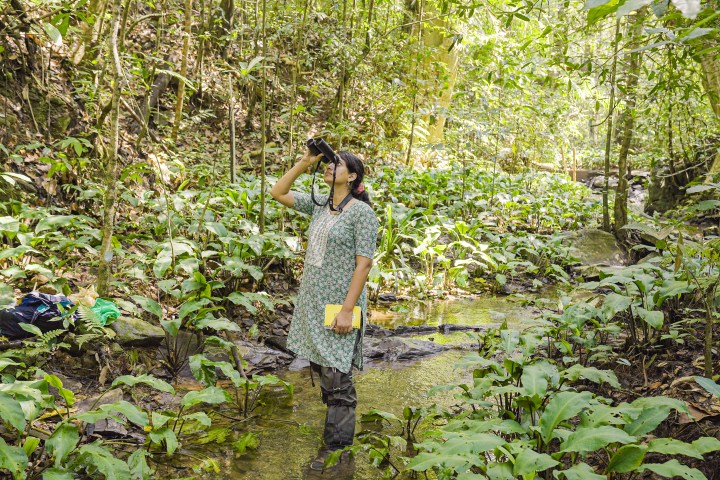
I work with landscapes that are often overlooked, such as wetlands, forest edges, and river systems in flux, and with the people trying to understand and care for them. My work moves between ecological research and writing, shaped by time spent in the field and long hours turning observations into reports, essays, and teaching material.

I began my training in geology at the University of Pittsburgh, where I learned to pay attention to how landscapes change and how uncertainty is part of working with natural systems. I later completed a Master’s in Environmental Management at Duke University’s Nicholas School of the Environment. That experience grounded me in using science to inform decisions, policy, and management, rather than treating research as an end in itself. Those two experiences still shape how I think about research and how I write about it.
Over the years, I have worked with wildlife conservation organisations across India on projects involving human–wildlife interactions, biodiversity mapping, wetland research, and conservation education. Working across these settings taught me something simple but important: ecological work only goes so far if it isn’t communicated clearly.
Much of my work now involves supporting other researchers and organisations with writing and funding. I have managed my own research grants, contributed to donor and annual reports, and worked closely with students and early-career researchers on proposals and project design. I care about writing that gets the details right without losing the reader along the way.
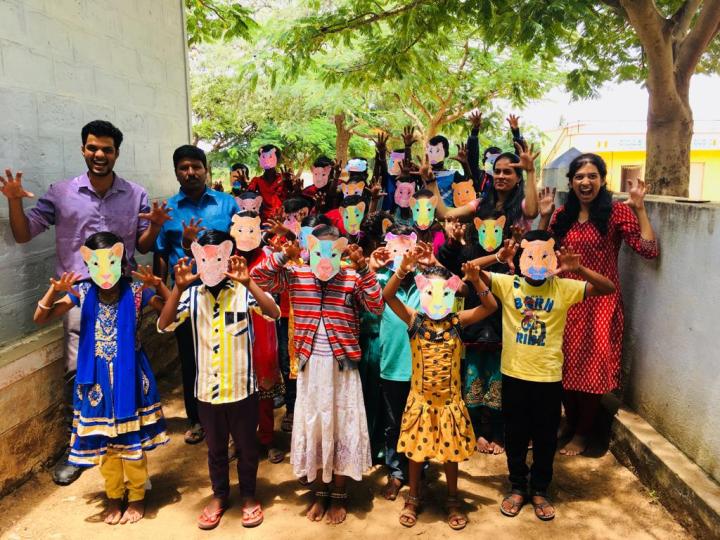
Alongside research, I am deeply involved in environmental education and outreach. I recently authored a book on the biodiversity of Myristica swamps in the Western Ghats, and I have worked with young writers and students through editorial roles, curriculum development, and workshops in schools and colleges. One such experience is that of a writing mentor for Scholastic India; teaching children the art of storytelling and short story writing is rewarding and helps me grow both as a writer and as a mentor in this competitive field. All of this has made it clear to me that communication isn’t separate from conservation work; it is part of the work itself.
At the heart of how I work is a willingness to slow down and spend time in the field; I take writing seriously, rather than treating it as an afterthought. I am drawn to projects that are grounded in specific places and to collaborations where care matters as much as results.
 On Life and Wildlife